Staying awake late into the night has become increasingly common among today’s youth, raising concerns among health experts about its long-term impact on physical and mental well-being. While smartphones, social media, binge-watching, online gaming, and work or academic pressure have transformed modern lifestyles, they have also disrupted healthy sleep routines. Many young people now struggle to fall asleep on time, making sleep deprivation a growing public health issue.
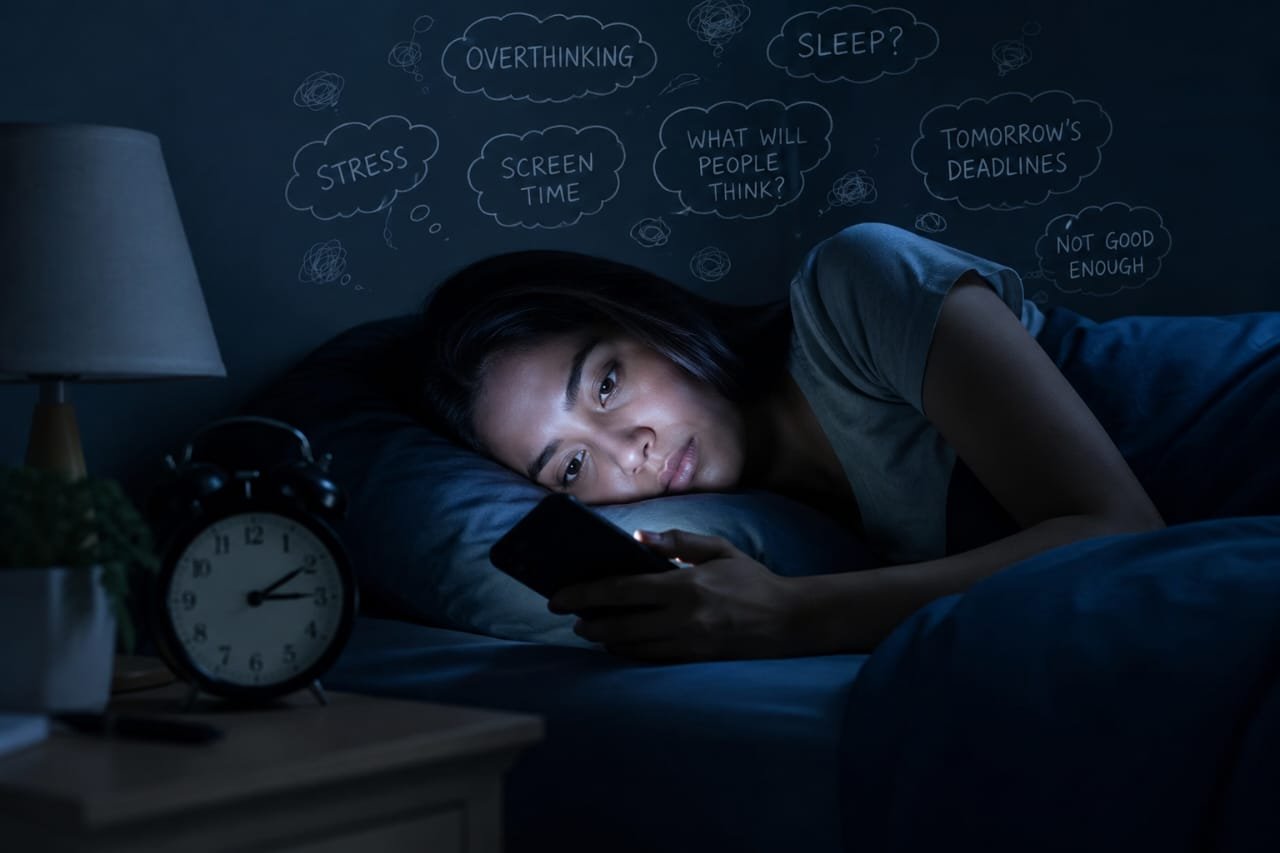
One of the primary reasons behind this trend is excessive late-night screen time. Continuous exposure to blue light from smartphones, laptops, and tablets suppresses melatonin—the hormone responsible for regulating sleep—making it difficult for the brain to relax. At the same time, many young adults remain trapped in cycles of overthinking about careers, relationships, finances, academic performance, and social expectations. This constant mental activity, combined with digital distractions, often results in insomnia and poor-quality sleep.

The effects of inadequate sleep go far beyond feeling tired the next morning. Sleep deprivation reduces concentration, memory, creativity, decision-making ability, and overall productivity. It can also lead to irritability, anxiety, mood swings, emotional exhaustion, and difficulty managing stress. Over time, chronic lack of sleep increases the risk of depression, weakened immunity, obesity, diabetes, high blood pressure, and cardiovascular diseases, while also affecting personal relationships and workplace or academic performance.
Health experts recommend that young adults get 7–9 hours of quality sleep every night to support brain function and overall health. Simple lifestyle changes—such as limiting screen time before bed, maintaining a consistent sleep schedule, exercising regularly, reducing caffeine intake in the evening, and practicing relaxation techniques like meditation or reading—can significantly improve sleep quality and mental well-being.
As digital lifestyles continue to evolve, experts stress that sleep should be treated as a necessity rather than a luxury. Building healthier nighttime habits can help young people improve productivity, strengthen emotional resilience, and protect their long-term health. For a generation striving to achieve academic success, career growth, and personal development, quality sleep may be one of the most powerful investments in a brighter future.